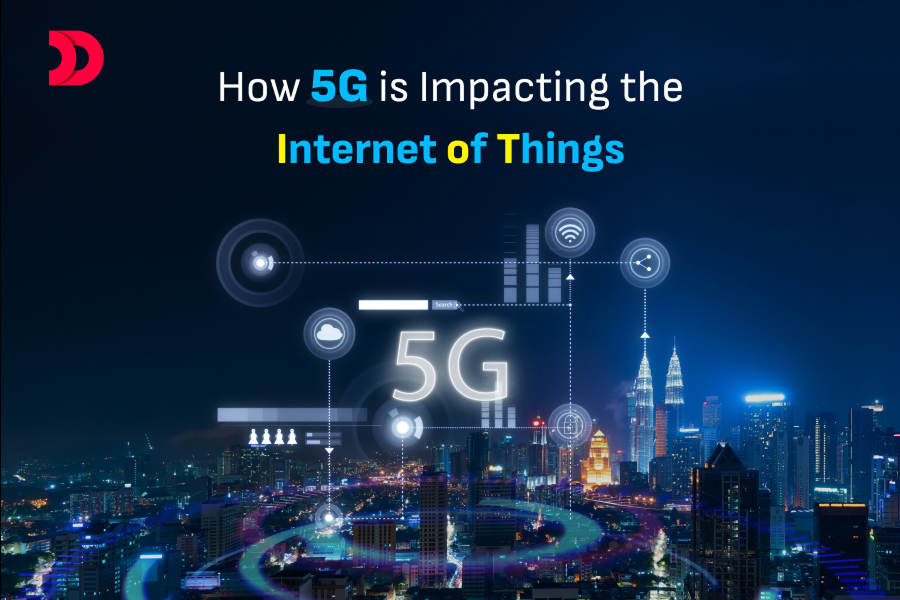
IoT is booming and could hit 29 billion connected devices by 2030, up from 9.7 billion now. The quick growth is thanks to the widespread use of 5G networks.
5G networks represent an exciting development in IoT market developments and portend positive developments for this interconnected device sector. The key driver of optimism lies within their performance- and reliability-enhancing abilities compared to 4G devices; here we take a closer look at this optimism.
Data- Transfer Speed
Any Internet of Things device’s success rests heavily on its performance, which in turn depends on its swift communication between itself, other IoT devices, smartphones, tablets, apps or websites. 5G promises an exponential surge in data transfer rates.
As per reports, 5G networks are projected to be 10x faster than LTE networks, giving IoT devices access to faster communication and exchange of information than ever before.
Stats about the potential of 5G networks
In the realm of smart home devices, the enhanced speed offered by 5G networks plays a pivotal role in diminishing lag and augmenting the overall velocity of data and notification exchanges among connected devices.
Beyond smart home applications, virtually all IoT devices stand to gain from heightened speeds, encompassing those designed for healthcare and industrial applications.
Greater Network Reliability
Beyond the speed enhancements, 5G networks promise increased reliability, establishing more robust and stable connections. This reliability is crucial for any IoT, particularly for devices like locks, security cameras, and monitoring systems that rely on real-time updates.
The capacity of 5G networks to handle a higher volume of connected devices translates into improved reliability for consumers’ connected devices. The forthcoming high-speed connectivity, minimal latency, and extended coverage of the next-generation network are pivotal for the optimal performance of IoT devices.
To harness these improvements, manufacturers need to invest in developing 5G-compatible devices. Additionally, they must prioritize quality assurance testing to ensure that their new devices and software function seamlessly across diverse conditions. Neglecting this step could result in the failure of many new devices due to bugs, undermining the potential benefits that 5G brings to the table.
IoT Testing Advice
To enhance the effectiveness of your current and future IoT testing initiatives, explore valuable testing guidance designed to elevate the quality of your IoT projects.
Widen Test Coverage:
Testing the IoT requires extensive coverage. An IoT device’s performance relies on how well it integrates with various phones and tablets from different generations; dealing with fragmentation challenges means making sure its smooth operation across varying mobile operating systems and hardware components makes the testing process complex; hence, conducting tests across a number of configurations is vital in uncovering bugs caused by fragmentation.
Comprehensive Testing from Various Perspectives:
IoT tests should encompass a variety of perspectives to uncover bugs affecting both the IoT device and its corresponding software, typically in the form of a mobile application. Testing should not only focus on functionalities but also assess the usability of both the IoT device and software. This approach ensures a comprehensive evaluation of connectivity quality, encompassing object-to-software, software-to-object interactions, and the behavior during such interactions.
Visual Representation: Challenges in Testing IoT Devices
Creating a graphic that illustrates the challenges of testing IoT devices can provide valuable insights for QA teams. The visual representation aims to highlight the hurdles in testing that may lead to the discovery of bugs impacting key functionalities and diminishing the user experience.
Bluetooth and WiFi Connectivity Testing:
Emphasize the importance of testing the IoT device’s ability to connect or pair with smartphones and other smart devices. Highlight the necessity of verifying seamless connections via both Bluetooth and WiFi networks. Address potential bugs related to connections that can impede the device’s communication and data-sharing capabilities, rendering it useless.
Objective:
Showcase scenarios where connectivity issues can obstruct the functionality of IoT devices. Highlight the significance of thorough testing to ensure consistent and reliable connections.
Benefits:
Illustrate potential challenges related to Bluetooth and WiFi connectivity. Emphasize the impact of connection-related bugs on the usability of IoT devices.
By visually conveying these testing challenges, the graphic aims to enhance understanding and awareness among QA teams, fostering a more effective testing approach for IoT projects
Devstree, a leading IoT app development company, collaborates with diverse brands for extensive QA campaigns, including IoT devices. With IoT constituting 25% of client QA needs, Devstree’s expertise extends to both app development and rigorous testing. Explore client testimonials, especially from major IoT manufacturers, to witness Devstree’s commitment to delivering exceptional services in IoT app development and testing.











 Jul 24, 2026