The education industry has evolved dramatically in recent years, and virtual learning is now becoming a permanent part of modern education systems. Schools, universities, coaching institutes, and businesses are increasingly investing in digital learning platforms to provide flexible and accessible education experiences.
As online learning demand continues to grow in 2026, businesses and educational organizations are looking to build Virtual Classroom App solutions that offer interactive learning, real-time communication, and seamless collaboration. However, building a successful virtual classroom platform requires proper planning, the right technology stack, and an experienced development team.
From understanding development costs to choosing the right features and hiring the right experts, this guide covers everything you need to know before starting your virtual classroom app project.
Why Virtual Classroom Apps Are Growing Rapidly
Online education is no longer limited to video calls and recorded lectures. Modern virtual classroom platforms provide interactive learning environments where students and teachers can collaborate in real time.
Businesses and educational institutions are adopting virtual learning solutions because they offer:
- Flexible learning accessibility
- Lower operational costs
- Global student reach
- Personalized learning experiences
- Better learning management
With smartphones and internet access becoming more common worldwide, virtual learning platforms have become more accessible than ever before.
As competition in the EdTech industry continues to grow, businesses are increasingly partnering with an on demand app development company to create scalable and feature-rich virtual classroom solutions.
Essential Features of a Virtual Classroom App
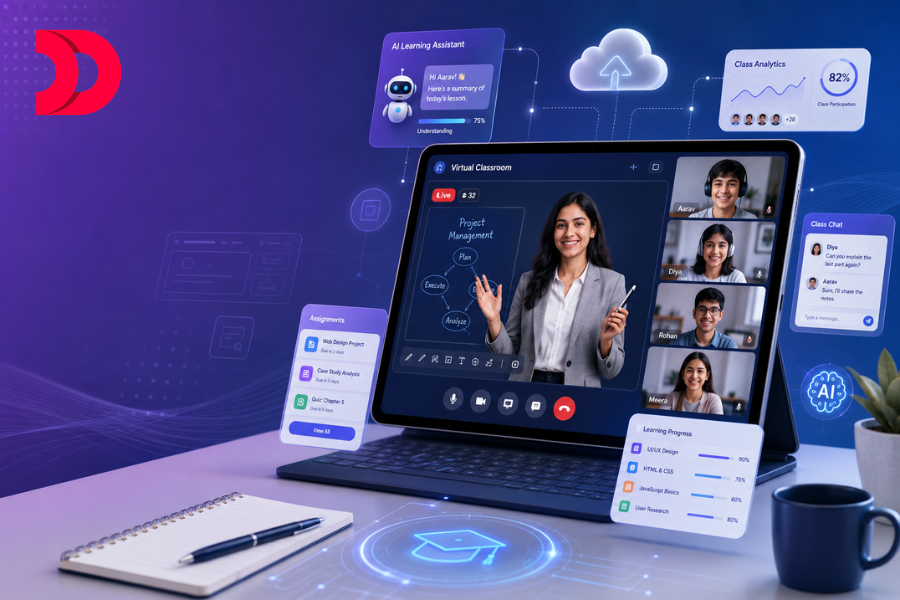
A successful virtual classroom application requires much more than just video streaming. Modern users expect interactive and seamless learning experiences.
Some of the most important features include:
- Live video classes
- Screen sharing
- Interactive whiteboards
- Chat and messaging systems
- Attendance management
- Assignment uploads
- Push notifications
- Student performance tracking
- Payment integration
Advanced platforms also include AI-powered learning recommendations, automated assessments, and cloud-based content storage.
The features you choose directly impact both user experience and overall Virtual Classroom App cost.
Choosing the Right Development Approach
Before starting development, businesses need to decide how they want to build their platform.
Some companies choose ready-made solutions because they are faster to launch. However, these platforms often come with limitations in customization, scalability, and integrations.
Custom development provides greater flexibility and allows businesses to create solutions tailored specifically to their educational model and user requirements.
Many organizations prefer to hire dedicated developers for custom projects because it gives them more control over features, design, and long-term scalability.
Choosing the right development approach depends on your budget, timeline, and business goals.
Understanding Virtual Classroom App Development Cost
One of the most common questions businesses ask is about Virtual Classroom App cost. The overall budget depends on several factors, including app complexity, features, platform selection, and development team size.
A basic virtual classroom app with standard video conferencing and messaging features may require a smaller investment. However, advanced platforms with AI integration, analytics dashboards, cloud infrastructure, and interactive learning tools significantly increase development costs.
Some of the key factors affecting cost include:
- UI/UX design complexity
- Backend infrastructure
- Live streaming functionality
- Third-party integrations
- Security and data protection
- Scalability requirements
Working with an experienced on demand app development company helps businesses create realistic budgets and avoid unnecessary development expenses.
The Importance of Mobile Accessibility
In 2026, mobile accessibility is essential for online learning platforms. Most students prefer learning through smartphones and tablets because it offers flexibility and convenience.
This is why businesses increasingly choose to hire mobile app developer professionals who can build responsive and user-friendly applications for Android and iOS devices.
A mobile-friendly virtual classroom platform improves:
- Student engagement
- Accessibility
- Learning flexibility
- Real-time communication
Mobile learning also helps educational platforms reach wider audiences and improve user retention.
A strong mobile experience is no longer optional — it is a core requirement for successful virtual classroom applications.
Why User Experience Matters in Online Learning
User experience plays a critical role in the success of educational platforms. A confusing or complicated interface can negatively affect student engagement and learning outcomes.
Virtual classroom apps should provide:
- Simple navigation
- Clean interfaces
- Fast loading performance
- Smooth video streaming
- Easy communication tools
Educational platforms should feel intuitive for both students and teachers. Businesses that invest in user-centric design often experience better retention and engagement rates.
Professional development teams focus heavily on usability because learning experiences directly impact platform success.
Security and Data Protection in EdTech Platforms
Educational applications handle sensitive user data, including student information, payment details, and communication records. This makes security one of the most important aspects of development.
A secure virtual classroom app should include:
- End-to-end encryption
- Secure login systems
- Cloud data protection
- Role-based access controls
- GDPR compliance
Businesses that hire dedicated developers with experience in secure application architecture can better protect user information and reduce cybersecurity risks.
Security is essential not only for legal compliance but also for building trust with users and educational institutions.
Scalability for Future Growth
As educational platforms grow, they need systems capable of handling increasing numbers of users, live sessions, and digital content.
Scalable architecture ensures that your platform continues to perform efficiently even as demand increases. Businesses planning long-term growth should prioritize cloud infrastructure, optimized databases, and flexible backend systems.
Many organizations choose to build Virtual Classroom App solutions with scalability in mind from the beginning to avoid expensive rebuilding later.
A scalable platform supports future expansion, new features, and growing student communities.
How AI is Transforming Virtual Learning in 2026
Artificial Intelligence is becoming a major part of modern educational platforms. AI-powered systems help improve learning experiences through automation and personalization.
Some popular AI features include:
- Smart learning recommendations
- Automated assessments
- AI chat assistants
- Performance analytics
- Personalized study plans
As AI adoption continues to grow, educational businesses are integrating intelligent systems into their platforms to improve engagement and efficiency.
This trend is expected to shape the future of digital learning significantly in the coming years.
Why Hiring the Right Development Team Matters
The success of a virtual classroom platform depends heavily on the team building it. Educational applications require expertise in video streaming, mobile development, backend systems, cloud infrastructure, and user experience design.
Businesses often choose to hire dedicated developers or work with an experienced on demand app development company to ensure high-quality development and long-term support.
The right development partner helps businesses:
- Reduce development risks
- Improve scalability
- Optimize performance
- Deliver better user experiences
Choosing experienced developers can significantly impact the quality and success of your platform.
Conclusion
The demand for digital learning solutions continues to grow rapidly in 2026, making virtual classroom applications one of the most valuable investments in the EdTech industry.
Businesses looking to build Virtual Classroom App platforms must focus on user experience, scalability, mobile accessibility, security, and long-term growth. From understanding Virtual Classroom App cost to choosing the right features and technology stack, every decision plays an important role in the platform’s success.
Whether you decide to hire mobile app developer experts, collaborate with an on demand app development company, or hire dedicated developers for custom development, investing in the right team and strategy will help create a scalable and future-ready learning platform.












 May 26, 2026