In today’s smartphone-driven world, mobile applications have become the backbone of modern business. The global mobile application market was valued at $330.61 billion in 2025 and is projected to reach $1,230.23 billion by 2035 [Ripen Apps] making mobile presence not just desirable but essential for any business that wants to stay competitive.
However, building a mobile app in 2026 is not as simple as writing code. The biggest challenge developers and businesses face is building for multiple platforms simultaneously. Traditionally, each platform demanded its own language Swift for iOS, Kotlin for Android, C# for Windows meaning separate teams, separate budgets, and duplicated effort for every single update.
That is where cross-platform app development changes the game entirely.
Cross-platform mobile app development has reached near-native performance parity, with Flutter and React Native now handling 90% of use cases that previously required separate iOS and Android codebases. [Lowcode] Write once, deploy everywhere and do it without compromising on quality or user experience.
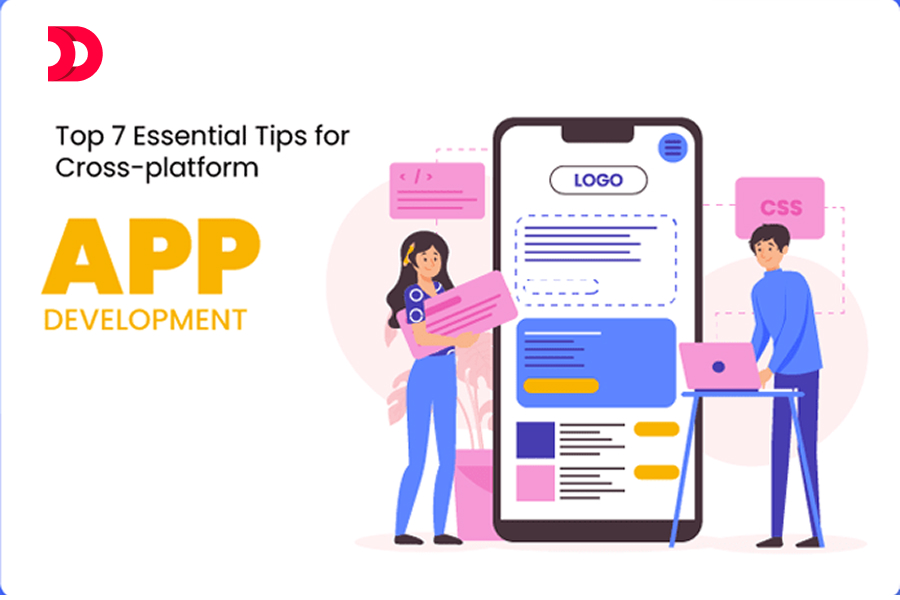
Before diving into the tips, here is what cross-platform development means in practice: it is the process of building a single mobile application that runs seamlessly across iOS, Android, and other operating systems using frameworks like Flutter, React Native, and Kotlin Multiplatform (KMP). The result is faster development, lower costs, and a consistent brand experience for every user, regardless of their device.
Mobile app development in 2026 is shifting toward cross-platform frameworks that build for iOS and Android simultaneously, alongside AI-powered features, voice interfaces, AR/VR, and wearable device integration. [Bubble] If you are planning to build or upgrade a mobile app, these seven tips will help you get it right.
Tip 1: Design a Captivating, Consistent App Experience
The first impression of your app determines whether a user stays or uninstalls. Your UI must be visually engaging, fast-loading, and consistent across all platforms. Consistency is what builds brand identity. Users should instantly recognize your app whether they are on an iPhone or an Android device.
A captivating design goes beyond aesthetics. It includes smooth animations, intuitive navigation, and accessible layouts that work equally well on different screen sizes. In 2026, user expectations are surging, with a major focus on hyper-personalization, effortlessness, and intuitiveness. [Itransition] Apps that deliver on this front generate repeat users, higher ratings, and stronger brand loyalty.
Tip 2: Choose the Right Cross-Platform Framework
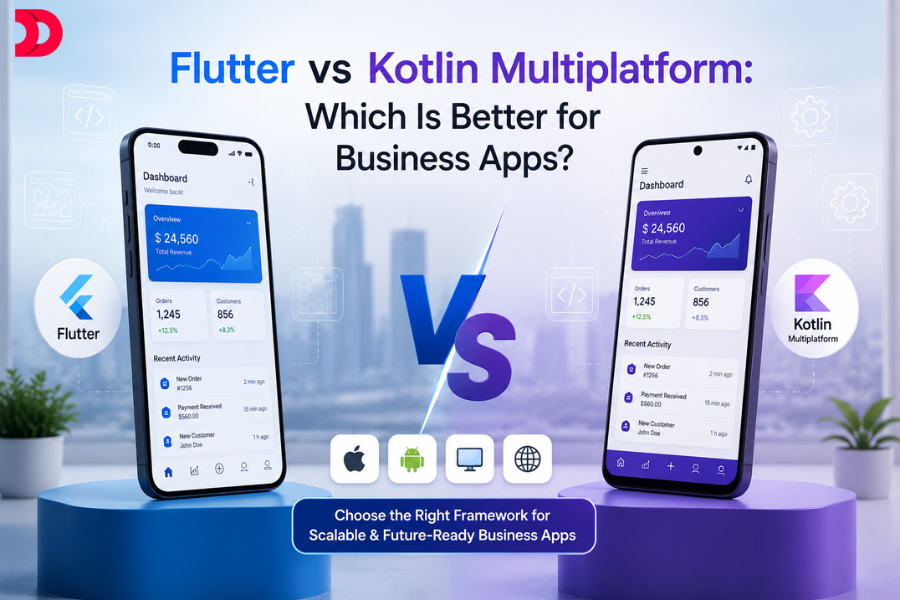
Not all frameworks are created equal. Choosing the right one for your project is one of the most important decisions you will make. The leading options in 2026 are:
- Flutter Best for performance and custom UI flexibility
- React Native Best for JavaScript teams and large ecosystems
- Kotlin Multiplatform (KMP) Best for sharing business logic while keeping native UI
- .NET MAUI Best for enterprise apps within the Microsoft stack
In 2026, mobile teams are committing to these frameworks because one shared module handles business logic, platform-specific shells stay lean, and fixes ship to both stores simultaneously reducing time-to-market from months to weeks. [Innowise] Choose based on your team’s expertise, project complexity, and long-term scalability needs.
Tip 3: Follow Platform-Specific UI and UX Protocols
Cross-platform does not mean identical. Users on iOS expect the app to follow Apple’s Human Interface Guidelines, while Android users expect Google’s Material Design principles. Ignoring these standards makes your app feel foreign on one or both platforms directly hurting user satisfaction and retention.
Before development begins, your team should map out the UX flows and UI components for each platform. Navigation patterns, button placements, gesture behaviors, and font rendering all differ between iOS and Android. Building these details into your design system from the start saves costly rework later and ensures a truly native feel on every device.
Tip 4: Co-Create with UX Designers from Day One
Development and design are not separate phases; they are a continuous collaboration. Bringing UX designers into the process from the very beginning pays off enormously. They conduct user research, map customer journeys, identify friction points, and validate design decisions with real data before a single line of code is written.
AI-assisted coding tools are the most impactful mobile app development trend, cutting development time by 30 to 50% for teams that adopt them [Lowcode] and the same principle applies to design. Designers who use AI-powered prototyping tools can iterate faster, test more variations, and deliver polished wireframes that accelerate the entire development cycle. The result is an app that is not just functional but genuinely enjoyable to use.
Tip 5: Use Reliable, Reusable Cross-Platform Modules
One of the greatest efficiency gains in cross-platform development comes from building and reusing modular components. Shared modules for authentication, API calls, state management, data models, and business logic mean you write the logic once and apply it across every platform without duplication.
Gartner projects that by 2026, low-code development tools will account for 75% of new application development, up from 40% in 2021 [Lovable] and the same philosophy of reusability drives this shift. Reliable modules reduce development time, minimize bugs, make future feature additions faster, and give your codebase the flexibility to scale as your business grows.
Tip 6: Test Thoroughly Across All Platforms Before Launch
Testing is where cross-platform development demands extra attention. Even with a shared codebase, edge cases, hardware differences, OS version variations, and screen size inconsistencies can surface differently on each platform. A bug that goes unnoticed on Android may be immediately visible on iOS and vice versa.
Comprehensive testing should include functional testing, performance testing, UI testing, and real-device testing across the most widely used OS versions. AI and machine learning integration is making apps smarter and driving a 20% increase in developer productivity [Appverticals] and AI-powered automated testing tools are now a standard part of this process, catching issues faster and more reliably than manual QA alone. Test early, test often, and never skip platform-specific validation before release.
Tip 7: Keep the User at the Centre of Every Decision
Every feature, screen, and interaction in your app should answer one fundamental question: does this make the user’s experience better? User-centric development means building what your audience actually needs, not just what seems technically impressive.
This involves gathering feedback through in-app surveys and reviews, analyzing user behavior through analytics dashboards, and iterating continuously based on what the data tells you. Americans now spend over 5 hours per day on their phones [DesignRush] meaning your app is competing for attention in the most personal digital space your customer has. Apps that respect the user’s time, reduce friction, and deliver consistent value are the ones that get kept, recommended, and reviewed positively.
Why Partner with a Mobile App Development Company?
Following these tips is far easier when you have an experienced team by your side. A professional mobile app development company brings the right frameworks, tools, testing infrastructure, and design expertise to execute your vision efficiently from prototyping all the way through to App Store launch and beyond.
The mobile app development market is anticipated to reach $988.50 billion by 2035, growing at a CAGR of 22.9% [ClarionTech] and the businesses investing in quality mobile experiences today are the ones that will lead their industries tomorrow.
Final Thoughts
Cross-platform app development is no longer a compromise; it is the smartest and most scalable approach to mobile in 2026. With the right framework, a strong design-development collaboration, rigorous testing, and an unwavering focus on the user, you can build an app that performs beautifully on every device, reaches a wider audience, and delivers real business results.
Whether you are building your first app or scaling an existing product, these seven tips give you the foundation to do it right on every platform, every time.











 Aug 03, 2026